Flower Font E: A Brand-First Embroidery Design Review
First Impression: Friendly, Handmade, and Quietly Professional
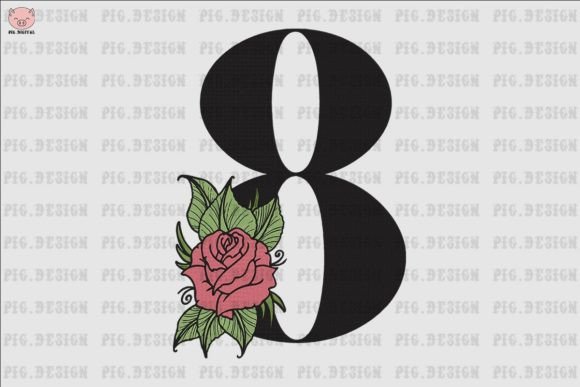
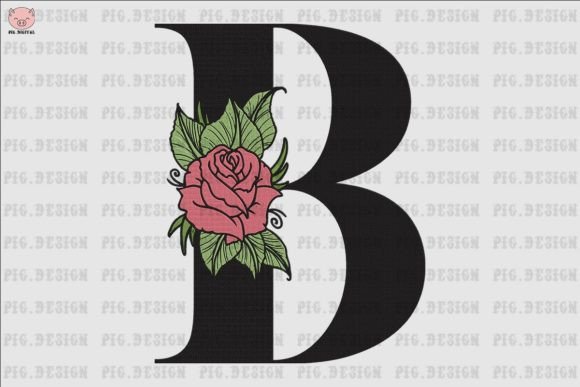
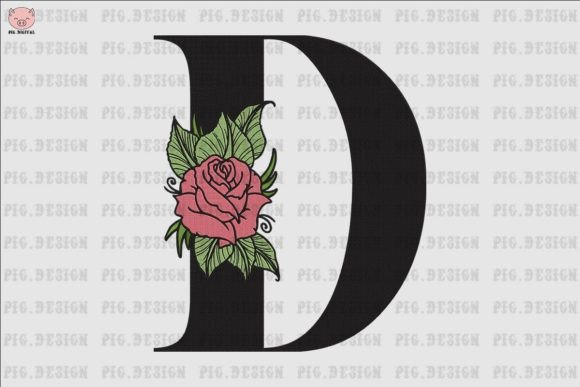
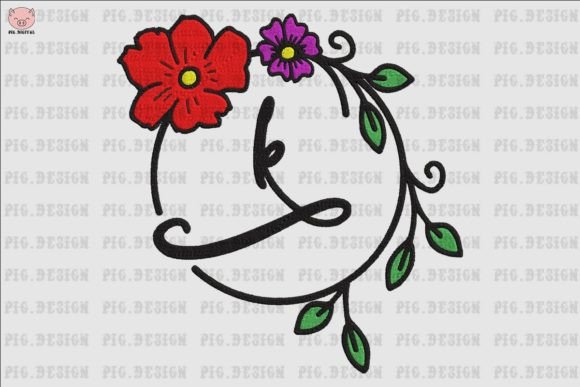
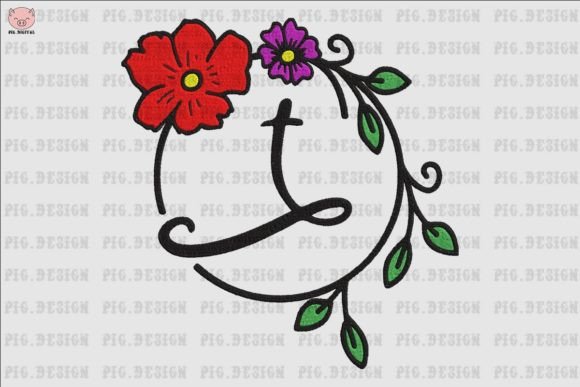
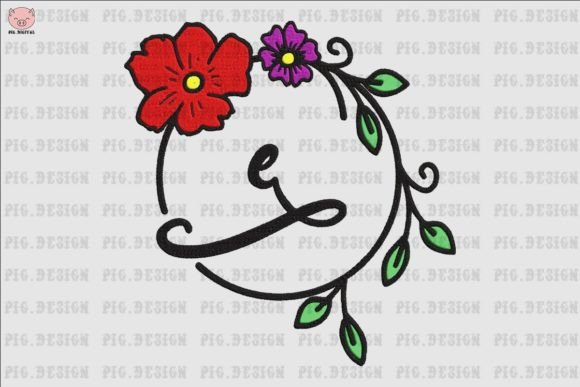
As an embroidery designer who’s developed hundreds of commercial designs for small businesses—from neighborhood bakeries to indie florists—I opened Flower Font E expecting charm. What I found was something more valuable: approachability with intention. It doesn’t shout; it invites. The floral embellishment around the letter “E” feels hand-drawn but precise—neither overly fussy nor too minimal. That balance makes Flower Font E ideal for brands that want warmth without sacrificing polish. It reads as handmade, yes—but also trustworthy, consistent, and ready for repeat use across merch. For Back To School season, it’s especially effective for creative studios, art supply shops, or teacher-led learning collectives building identity through soft sophistication.
Real Business Use: Where Flower Font E Shines (and Where It Needs Care)
Flower Font E works exceptionally well as a standalone embroidered patch—think 2.5"–3.5" diameter on tote bags, aprons, or denim jackets. Its open structure breathes on medium-weight cotton, canvas, and twill, avoiding the “stuffed” look that plagues dense machine embroidery designs. On staff uniforms, it holds up beautifully on chest placements when paired with a crisp monochrome thread palette (navy on cream, sage on oat, charcoal on ivory). As cap embroidery? Yes—but only on structured front panels with firm backing. Avoid curved bill edges or low-profile caps unless you’ve tested stitch pull on the curve first.
For boutique merchandise and Etsy sellers, Flower Font E adds quiet distinction to product packaging accents—sewn onto fabric tags, stitched into seam allowances of reusable produce bags, or centered on linen tea towels. It’s also a smart choice for customer gifts: imagine it embroidered on mini drawstring pouches holding seed packets for a local garden shop, or on linen napkins for a café’s loyalty program. Its visual rhythm supports storytelling—not just branding.
Use With Intention: Critical Considerations for Commercial Embroidery
Don’t assume Flower Font E scales seamlessly. At under 1.75", the floral details risk filling in or losing definition—especially on textured fabric like terry cloth or heavy fleece. If your small business merch includes pet bandanas, kids’ backpacks, or toddler-sized apparel, test at actual size before digitizing full runs. Likewise, high stitch density near the flower’s center can cause puckering on lightweight knits or dark uniforms where stabilizer visibility matters. Always inspect spacing between petals and stem lines: tight gaps may merge during stitching, blurring the design’s delicate balance.
Caps, curved surfaces, and stretch fabrics demand extra prep. Use cutaway + tear-away stabilizer combo, and confirm hoop size compatibility before loading the embroidery file. And never skip the fabric test—even if the digital embroidery file previews flawlessly on screen, real-world variables like thread tension, needle type, and fabric movement change everything.
How Flower Font E Shapes Brand Identity
This isn’t just decoration—it’s brand language in thread. Flower Font E communicates care, craft, and continuity. When repeated across aprons, tote bags, and staff caps, it builds visual consistency without monotony. Customers begin to recognize that subtle “E” shape as shorthand for quality and authenticity—especially important for handmade product businesses competing against mass-produced alternatives. It elevates perceived value: a plain cotton tote becomes a keepsake; a basic work shirt gains personality; a birthday gift feels personalized without being generic.
For Etsy sellers and creative studios, using Flower Font E across multiple touchpoints strengthens buyer engagement. It appears in printable mockups used for listings, then lives on physical goods—creating cohesion between digital promise and finished product. That alignment builds trust. And unlike trendy fonts that date quickly, Flower Font E leans classic enough to support long-term brand evolution.
Practical Designer Notes Before You Stitch
- Start black-and-white: Test the embroidery file in grayscale first to assess contrast, balance, and negative space—color can mask structural weaknesses.
- Validate small-patch viability: Resize to your smallest intended use (e.g., 1.5" for sleeve accents) and check petal separation and stem clarity.
- Review thread color contrast: Light threads on dark fabric require denser underlay; dark threads on light need clean edge definition—verify both in your embroidery software.
- Inspect kerning and spacing: Even single-letter designs rely on internal rhythm. Ensure no overlapping elements will cause thread nesting.
- Confirm hoop size and format compatibility: Match the machine embroidery design to your embroidery machine’s supported formats and maximum hoop dimensions.
- Test on real fabric: Run a sample on the exact material and stabilizer combination you’ll use in production—not just on practice fabric.
- Create client-ready mockups: Use the embroidery file to generate realistic printable mockups for approval before stitching begins.
- Compare alongside other design assets: Does Flower Font E harmonize with your logo, typography system, and color palette—or clash subtly?
- Verify commercial licensing: Since this is for small business merch and branded patch use, confirm the digital embroidery file includes rights for resale, promotional use, and unlimited production runs.
Final Thought: More Than a Letter—A Signature Detail
Flower Font E succeeds because it understands context. It doesn’t try to be everything—it’s a focused, intentional tool for designers and small business owners who know that brand identity lives in the details: the curve of a petal, the weight of a stem, the quiet confidence of a single embroidered letter. Whether you’re outfitting a florist’s team, launching a Back To School capsule for a creative studio, or adding signature flair to custom apparel, Flower Font E delivers elegance without effort—and professionalism without pretense. Just remember: every great embroidered patch, every trusted apron embroidery, every memorable tote bag design starts not with speed or scale, but with thoughtful selection. Choose wisely—and stitch with purpose.