Elephant Font DEF: A Seasonal Embroidery Font Review
First Impressions: Playful, Premium, and Perfectly Personal
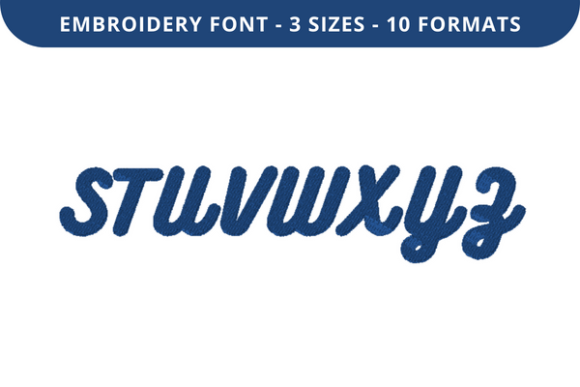
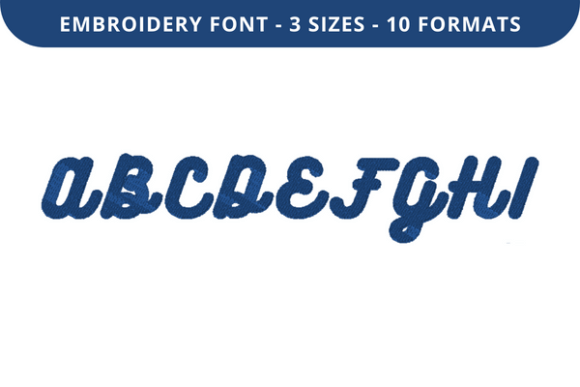
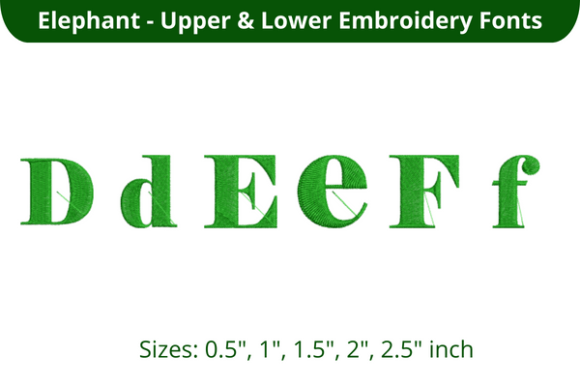
Opening Elephant Font DEF on Creative Fabrica, I immediately felt its warmth—like unwrapping a hand-stitched ornament just before Thanksgiving. This isn’t a sterile, clinical font. It’s expressive, with gentle curves, balanced weight, and subtle decorative flair that leans into *playful elegance*. Think cozy holiday sweaters meets modern nursery art—soft enough for baby onesies, confident enough for boutique aprons or linen pillow covers. It doesn’t scream “Back To School” in a chalkboard-and-ruler way; instead, it whispers “meaningful moment”: a child’s name on a first-day-of-school tote, a family surname stitched onto matching flannel pajama sets, or “2024” embroidered on a keepsake kitchen towel gifted at Christmas.
Real-World Holiday Use: Where Elephant Font DEF Shines
As someone building seasonal collections for Etsy sellers and craft fair vendors, I tested Elephant Font DEF across high-demand holiday product categories—and it delivered versatility without compromise.
- Sweatshirt embroidery: Paired with minimalist motifs (a tiny snowflake, a sprig of holly), Elephant Font DEF adds personality to crewnecks and hoodies—ideal for family matching sets or teacher appreciation gifts.
- Tote bag design: Its generous letter spacing and clear legibility hold up beautifully on canvas and woven cotton, making it perfect for reusable gift bags, market totes, or “Santa’s Helper” lunch carriers.
- Kitchen towel embroidery: On flour-sack or linen towels, Elephant Font DEF conveys handmade charm—great for “Bake Joy”, “Gather & Give”, or personalized monograms on holiday hostess gifts.
- Pillow cover & ornament applications: The font’s clean outlines stitch crisply even at moderate sizes, lending itself to festive home decor—think “Home for the Holidays” on velvet pillows or “Our First Christmas” on wool-felt ornaments.
- Embroidered patch & baby item use: When digitized well (and sized appropriately), it works for iron-on patches on denim jackets or heirloom-style burp cloths—adding emotional resonance to newborn holiday bundles.
Where to Use Elephant Font DEF Thoughtfully
Not every seasonal application is ideal—and as an embroidery designer, I always prioritize durability and buyer satisfaction. Elephant Font DEF performs best when you consider fabric texture, construction, and end-use.
Avoid using it at under 1.5 inches tall on dense fabrics like thick terry cloth or heavy canvas—fine details may blur. On dark fabric, test thread colors carefully: matte cottons like Sulky or Robison-Anton hold richness better than glossy poly, especially in curved strokes. Metallic thread? Possible—but only with reduced density and stabilizer support; otherwise, the font’s soft edges risk fraying or skipped stitches.
For stretchy garments (ribbed knits, lightweight jerseys), pair Elephant Font DEF with light cutaway stabilizer and avoid tight curves or overlapping letters. And on curved surfaces—like baseball caps or mugs with wrap-around mockups—stick to short words (“Joy”, “Hope”, “Noel”) rather than full names, unless your hoop size and machine allow precise repositioning.
Seasonal Appeal & Emotional Impact
Holiday shoppers don’t buy fonts—they buy meaning. Elephant Font DEF taps directly into that. Its friendly yet refined character builds instant trust: customers see craftsmanship, not clipart. That perception lifts perceived value—especially for personalized gifts where handwriting-like authenticity matters. On Etsy listings, it helps products stand out in search results for terms like “personalized holiday embroidery” or “custom family name pillow.”
It also supports brand consistency across collections. Whether you’re launching a “Cozy Hearth” line of aprons and tea towels or a “Little Light” baby gift set, Elephant Font DEF provides visual harmony—without needing custom lettering for every SKU. Social media previews pop too: its shape reads clearly in thumbnail size, and printable mockups translate well to Instagram carousels or holiday email banners.
Practical Designer Notes for Holiday Production
Before stitching your first holiday batch, here’s what I recommend:
- Test thread colors on both light and dark fabric swatches—especially for gradient or variegated threads, which can mute fine strokes.
- Confirm hoop size compatibility with your most-used machines; Elephant Font DEF’s letter height and spacing may require mid-size hoops (5x7" or larger) for full-name layouts.
- Use appropriate stabilizer: tear-away for stable wovens, cutaway for knits or textured linens, and water-soluble for delicate layers or lace overlays.
- Create realistic mockups—not just flat PNGs, but angled, fabric-textured renders that show how Elephant Font DEF interacts with real garment drape and lighting.
- Review small details post-stitch: check for loose threads around inner curves (like the counters of “e” or “a”), and trim carefully to preserve shape.
- Plan cohesive color palettes in advance—Elephant Font DEF pairs beautifully with earthy ochres, deep forest greens, warm creams, and muted berry tones—colors that resonate through Thanksgiving, Christmas, and New Year’s.
- Always review Creative Fabrica product details and licensing before selling finished seasonal products—especially for commercial embroidery use on items intended for resale.
Final Thoughts for Small Shop Owners & Crafters
Elephant Font DEF isn’t just another machine embroidery design—it’s a seasonal storytelling tool. For Etsy sellers juggling holiday deadlines, it saves time without sacrificing charm. For craft fair vendors, it adds polish to handmade gifts that feel intentional, not mass-produced. And for digital embroidery file buyers building long-term collections, it bridges Back To School practicality (“First Grade 2024”) with year-round warmth (“Grandma’s Kitchen”, “Made With Love”).
If your goal is to create holiday embroidery that feels personal, premium, and emotionally grounded—Elephant Font DEF earns its place in your seasonal workflow. Just remember: let the font breathe, respect your fabric, and always stitch with the end customer in mind—the one holding a gift that says, “I made this just for you.”