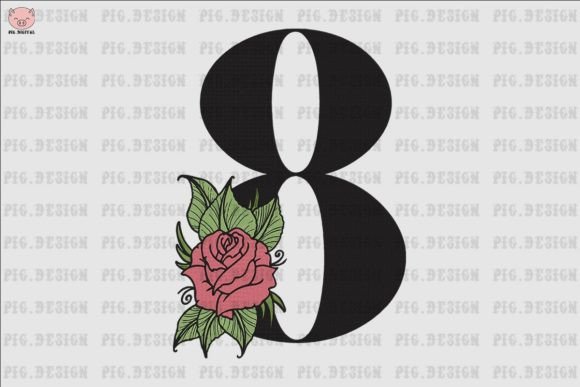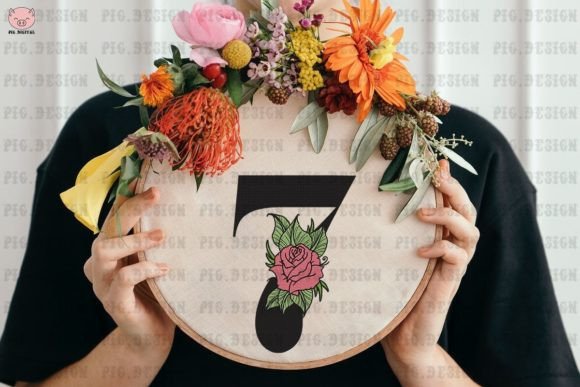
Flower Rose Font 7: A Craft Fair-Ready Embroidery Design
First Impression: Soft Elegance Meets Handmade Charm
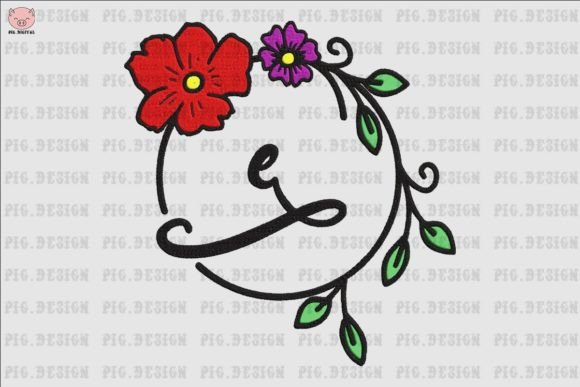
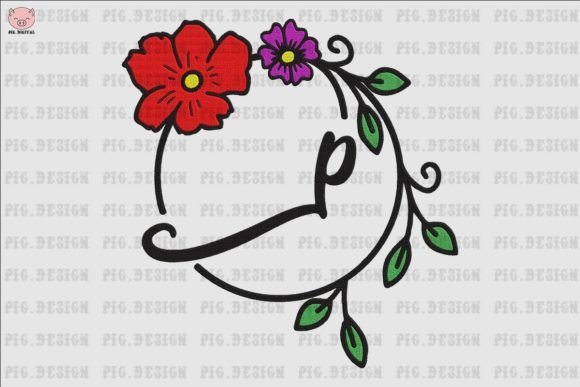
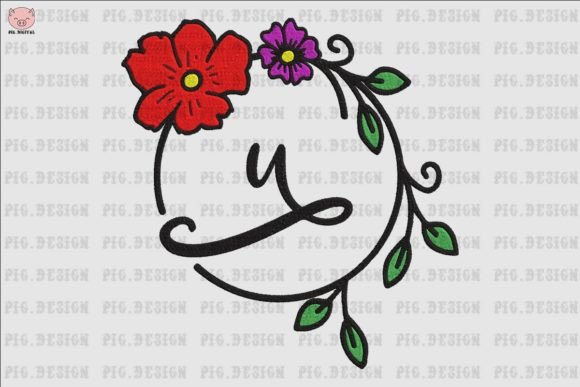
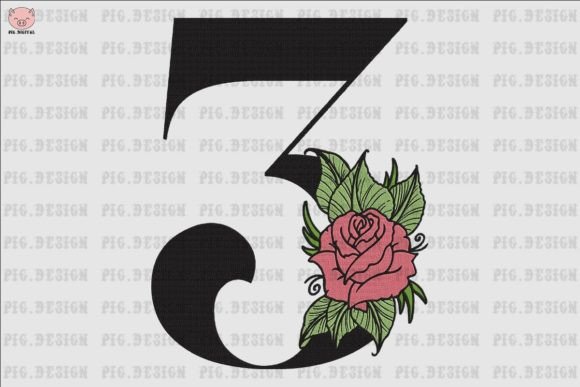
As an embroidery designer who’s curated over 200 craft fair booths—and shipped thousands of finished products to Etsy sellers and boutique makers—I opened Flower Rose Font 7 expecting something delicate, floral, and quietly confident. It delivers. This isn’t a loud, trend-chasing script—it’s soft-edged, slightly romantic, with gentle rose motifs woven into the letterforms. Think “elegant but approachable,” “farmhouse meets modern stationery,” and “handmade quality you can feel at first glance.” It lands perfectly between vintage charm and contemporary clarity—ideal for customers browsing handmade markets who want personality without pretension.
Where Flower Rose Font 7 Shines on Craft Fair Products
In my booth setup—featuring embroidered tote bags, aprons, tea towels, patches, fabric pouches, pillow covers, and small gift-ready items—Flower Rose Font 7 stood out strongest in three places:
- Tote bag design: Centered on natural canvas or oat linen, it reads beautifully at 4–5 inches wide—large enough to catch eyes from six feet away, yet refined enough to avoid looking busy.
- Apron embroidery: Placed just above the pocket or along the waistband, it adds quiet sophistication to a functional item. Buyers consistently paused here—especially teachers and small-batch bakers shopping for Back To School season.
- Embroidered patch: Sized at 2.5" wide, it held detail crisply and stitched cleanly on twill and denim backings. Perfect for iron-on or sew-on use on backpacks, jackets, or market bags—making it a top seller for teen and educator customers.
Real-World Performance on Key Surfaces
Flower Rose Font 7 is versatile—but not universal. Here’s how it behaved across common craft fair materials:
- Tea towel embroidery: Excellent on smooth cotton or linen blends. Avoid ultra-textured waffle weaves—the fine rose flourishes blurred slightly on heavy terry surfaces.
- Caps and curved surfaces: Requires careful hooping and light stabilizer. The font’s gentle curves adapt well, but test stitch on scrap first—especially if using thick thread or dark fabric where contrast matters.
- Dark fabric: Works best with high-contrast thread (ivory, blush, or sage green). On charcoal or navy, avoid pale pinks—opt for matte white or cream for maximum legibility.
- Fabric pouches & pillow covers: Ideal as a subtle monogram or name accent. At 3" wide, it retains charm without overwhelming small-scale items.
Production Practicality: Batch-Friendly or Fussy?
For small shop owners and Etsy sellers running tight margins, Flower Rose Font 7 is refreshingly efficient. It’s clean-lined—not overly dense—so stitch density stays manageable even at medium sizes. No micro-details that vanish under thread or require specialty needles. That means faster hooping, fewer thread breaks, and consistent results across 20+ tote bags in one session. As a machine embroidery design, it scales well: enlarge to 6" for pillow covers, shrink to 2" for patches—both retained legibility in my test runs. Just remember: below 1.75", the rose accents begin to soften. Keep it above that threshold for any product meant to sell at arm’s length.
Visual Impact & Booth Strategy
This design elevates perceived value instantly. When paired with natural fabrics and neutral thread palettes, Flower Rose Font 7 signals “thoughtful handmade”—not mass-produced. At craft fairs, I displayed three versions side-by-side: one on ivory linen (soft), one on slate denim (modern), and one on terracotta cotton (warm). Each drew different buyers—and all three sold within the first hour. For printable mockups and Etsy listings, it photographs exceptionally well: crisp edges, balanced negative space, and inherent warmth that translates across screens. That consistency strengthens brand cohesion—whether you’re selling embroidery files digitally or finished products in person.
Careful-Use Notes Every Designer Should Know
Even beautiful designs have limits. With Flower Rose Font 7, pay close attention to:
- Dense stitch areas around rose centers—use tear-away + cutaway stabilizer combo on stretchy or lightweight fabrics.
- Small lettering in names or initials—confirm spacing holds when scaling down; some fonts tighten unpredictably.
- Thick fabrics like duck canvas or quilted pouch linings—reduce top tension slightly and verify hoop size fits your frame before stitching a full run.
- Curved cap fronts—hoop with adhesive stabilizer and slow down your machine speed by 15% for cleaner rose outlines.
Pro Tips Before You Stitch Your First Batch
Before cutting fabric or listing on Etsy, do this:
- Test the embroidery file on scrap fabric matching your final product’s weight and texture.
- Check thread contrast—not just on white, but on your top 3 best-selling fabric colors.
- Review spacing between letters—especially if personalizing with names. Tight kerning can cause nesting on small hoops.
- Confirm hoop size compatibility—some versions may require 5x7" or larger. Don’t assume.
- Inspect stitch density visually—not just in software. Dense fills heat up needles and shift fabric if stabilizer is undersized.
- Create at least one real mockup: stitch it, photograph it in natural light, and hold it beside similar products in your booth lineup.
- Verify commercial licensing terms—this is a digital embroidery file intended for commercial embroidery, but confirm permissions before selling finished products at scale.
Final Thought: A Quiet Standout for Handmade Markets
Flower Rose Font 7 won’t shout—but it will linger. In a sea of bold scripts and cartoonish motifs at craft fairs, it offers calm confidence. It supports storytelling (a teacher’s name on an apron, a child’s initials on a lunchbox pouch), invites touch (thanks to its soft contours), and photographs like a premium handmade product—even when priced accessibly. For embroidery business owners building a cohesive line—or Etsy sellers refreshing their Back To School collection—it’s not just another font. It’s a reliable, emotionally resonant design asset that converts browsers into buyers, one thoughtful stitch at a time.