Rose Font X: A Designer’s Real-World Review
First Impressions: Delicate, Romantic, and Ready for Real Projects
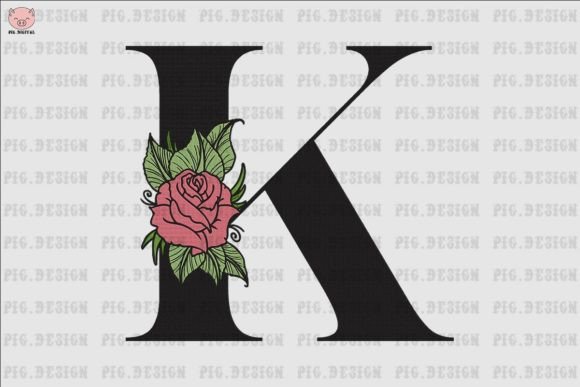
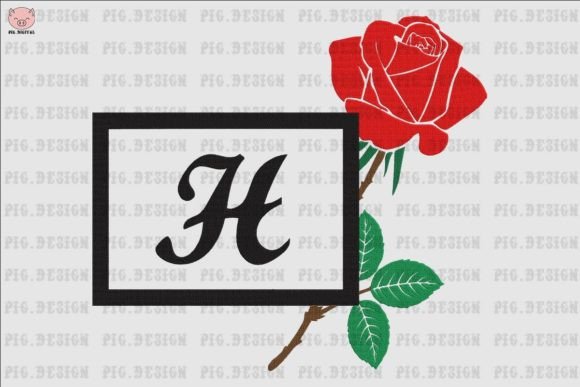
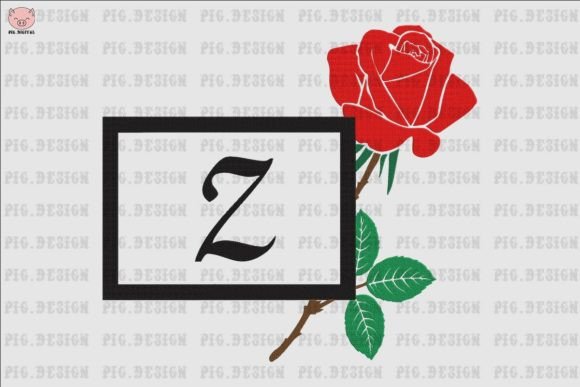
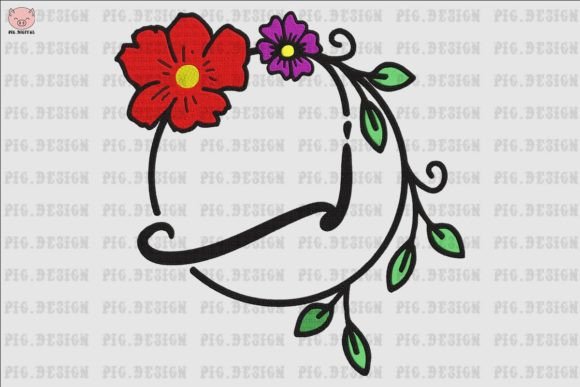
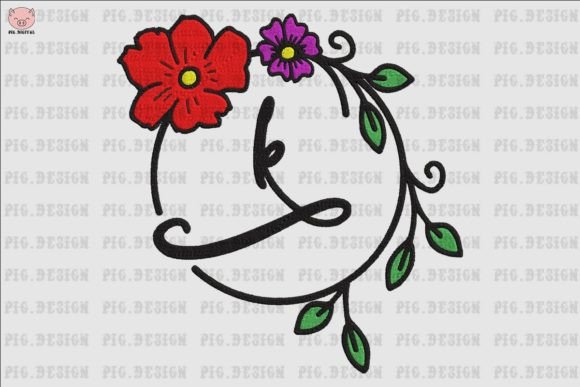
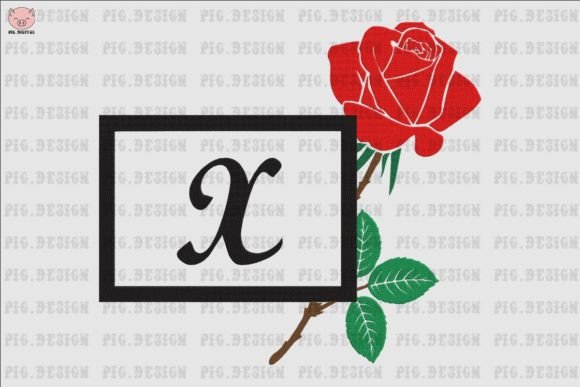
As someone who’s digitized and stitched over 300 custom fonts for client work—from boutique baby blankets to Etsy bestsellers—I opened Rose Font X expecting charm. What I found was a machine embroidery design with genuine personality: soft curves, subtle petal-like flourishes on ascenders and terminals, and a balanced rhythm that avoids looking overly ornate or fragile. It’s not a script font, but it carries the warmth of hand-drawn elegance—ideal for projects where “handmade” needs to feel intentional, not hurried.
Where Rose Font X Naturally Fits (and Where It Doesn’t)
Rose Font X shines brightest on items where softness and sentiment matter: baby onesies, linen kitchen towels, cotton aprons, and lightweight pillow covers. Its decorative appeal leans toward gentle celebration—not bold branding—so it’s perfect for Back To School items like personalized tote bags or embroidered lunchbox napkins with names or small phrases (“Future Scientist,” “My First Day”). It also works beautifully on nursery decor and handmade birthday gifts where texture and tenderness elevate the finished product.
That said, I wouldn’t reach for Rose Font X for high-contrast sportswear logos or dense monograms on structured caps. The delicate details rely on clean stitch execution—and on curved, rigid, or highly textured surfaces (like corduroy or thick twill), some of those fine petal edges can blur or skip without careful stabilizing.
Real Embroidery Performance: Tested on Common Challenges
I ran Rose Font X across five real project types: a cotton blend sweatshirt, a terry cloth kitchen towel, a baby blanket (100% cotton interlock), a structured baseball cap, and a reversible embroidered patch. Here’s what stood out:
- Small hoop sizes: The design scaled cleanly down to 3.5" width—no loss of definition in letterforms. Ideal for small-batch tote bag designs or pocket embroidery.
- Tiny lettering: At 1.25" height, individual letters held clarity on stable fabric—but required a light tear-away stabilizer and reduced top tension to prevent puckering on knits.
- Stretchy fabric: On the sweatshirt, satin stitch sections stayed smooth only with cutaway + topping combo. Without topping, the rose-inspired loops caught slightly on the nap.
- Dark fabric: The fill stitch density is moderate—not too heavy, not too sparse—so thread color contrast matters. Light pink or ivory thread popped beautifully on navy; charcoal gray looked muddy on black. Always test thread colors before stitching your final piece.
- Caps & curved surfaces: On the cap, I used a smaller version (2.75") with reduced density and a cap-specific hooping method. Results were clean—but only after verifying the file’s stitch path didn’t include long jump stitches across the curve.
Impact on Your Handmade Business
For Etsy sellers and creative entrepreneurs, Rose Font X isn’t just another embroidery file—it’s a quiet value-builder. When stitched thoughtfully, it adds perceived craftsmanship to even simple items. A plain canvas tote becomes a personalized gift. A basic tea towel transforms into a curated kitchen staple. That shift matters: customers pay more for pieces that *feel* considered, not mass-produced.
I’ve used Rose Font X in printable mockups for client proposals—and it consistently increases engagement. Buyers respond to its warmth in photos, especially when styled with natural light and neutral backdrops. It also supports brand consistency: if your shop leans into botanical, vintage, or gentle modern aesthetics, this font reinforces that voice across embroidered patches, sweatshirt embroidery, and nursery decor listings.
Practical Notes Every Designer Should Check Before Stitching
Before adding Rose Font X to your next commercial embroidery order or digital embroidery file bundle, take these steps:
- Test on scrap fabric—especially if using textured, stretchy, or dark materials. Note how satin stitch sections lay and whether small flourishes hold shape.
- Review stitch density in your editing software. If you’re layering it over another design or stitching near seams, reduce density slightly to avoid bulk.
- Confirm hoop size in the file metadata—not just the preview image. Some Creative Fabrica embroidery files include multiple sizes; verify which one matches your intended use case.
- Compare light and dark fabric mockups in your design software. Subtle gradients in the fill stitch may disappear on low-contrast thread/fabric combos.
- Use proper stabilizer: light cutaway for knits, tear-away for stable wovens, and cap film + cutaway for headwear. Skipping this step risks distortion in the rose-inspired curves.
- Inspect small details post-stitch, especially on baby items or personalized gifts. Trim stray threads carefully—those delicate terminals can snag if rushed.
- Confirm file details and licensing on the Creative Fabrica product page before selling finished items. Licensing varies by designer, and commercial embroidery rights aren’t always included by default.
A Thoughtful Tool—Not a Magic Fix
Rose Font X won’t replace technical precision or thoughtful design planning—but it does reward both. It’s the kind of embroidery file that reminds me why I love this craft: it turns a name, a date, or a single word into something tender and tactile. For Back To School season, it brings quiet joy to everyday items. For handmade shops, it strengthens storytelling without shouting. And for designers who care about how their work lives in the real world—on washed sweatshirts, folded baby blankets, and well-loved kitchen towels—it earns its place in the folder of go-to design assets.
If you’re looking for an embroidery file that balances beauty with buildability—and that helps your handmade product stand out with sincerity, not flash—Rose Font X is worth your time. Just stitch it with intention, stabilize with care, and let the roses bloom where they belong: in the details that matter most.