Elephant Font GHI: A Smart Choice for Small Business Embroidery
First Impressions: Friendly, Bold, and Built for Branding
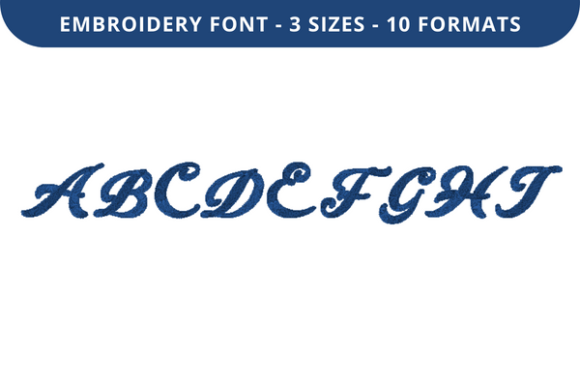
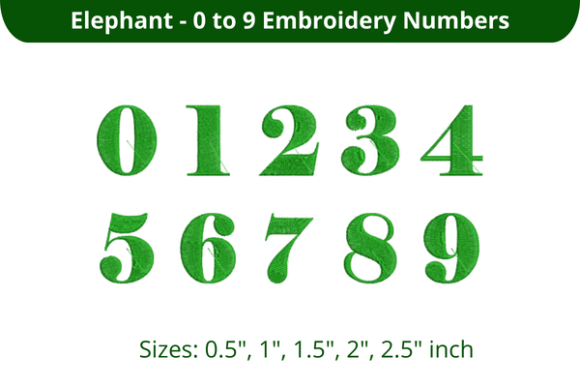
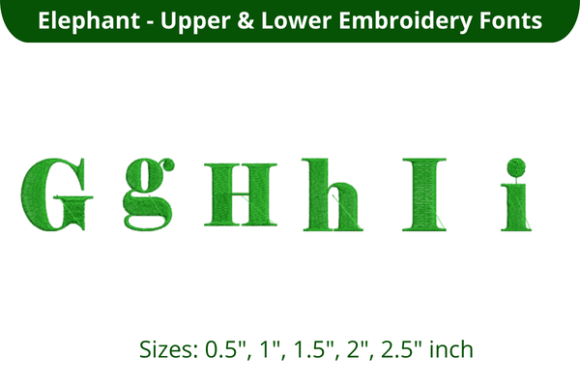
As an embroidery designer who’s digitized over 2,000 small business projects—from artisan bakeries to indie florists—I opened Elephant Font GHI expecting a clean, versatile machine embroidery design. What I found was exactly that: a confident, slightly rounded sans-serif with generous x-height and open counters. It reads as friendly but not childish, bold but not aggressive—ideal for businesses that want approachability *and* authority. Think café aprons with staff names, boutique tote bags bearing shop slogans, or pet brand patches stitched onto bandanas. It doesn’t scream “Back To School,” but it absolutely supports school-related small business merch: think PTA volunteer caps, after-school program tote bags, or embroidered library volunteer badges.
Real-World Performance Across Merchandise Types
Elephant Font GHI shines where many embroidery fonts falter—in consistent legibility at scale and adaptability across substrates. On embroidered patches? Excellent. Its moderate stroke weight holds up beautifully in 2"–3" sizes, especially when used for business name accents on uniform pockets or sleeve details. For cap embroidery, it works best on structured front panels—not curved bill edges—where letter spacing stays true and stitch density remains balanced. On tote bags and work shirts, the font’s clarity makes it perfect for short brand tags (“Hearth & Petal,” “The Daily Grind”), not long paragraphs.
For apron embroidery, Elephant Font GHI delivers warmth without sacrificing polish—ideal for handmade product labels or custom apparel meant to feel personal yet professional. Etsy sellers will appreciate how it elevates digital embroidery file listings: pair it with a simple icon (a coffee cup, leaf, or paw) and you’ve got a cohesive, printable mockup ready for client review. In commercial embroidery settings, it stitches cleanly on cotton twill, canvas, and mid-weight denim—especially when paired with appropriate tear-away or cut-away stabilizer.
Where to Use Elephant Font GHI With Intention
This isn’t a one-size-fits-all embroidery file. Use caution in these scenarios:
- Small patch sizes under 1.5": Letter spacing tightens, and inner curves may lose definition. Always test at actual size before bulk production.
- Cap fronts with high curvature: Distortion can stretch vertical strokes; consider slight manual kerning adjustments in your embroidery software.
- Textured fabric like heavy linen or bouclé: Higher stitch density may cause puckering—reduce density slightly or opt for a lighter stabilizer.
- Dark uniforms or black totes: Not all thread colors render equally. Test contrast first—navy thread on charcoal fabric often reads richer than black-on-black.
- Frequently washed items: Ensure your digitizer has included secure underlay and proper satin column transitions—this protects legibility over time.
How Elephant Font GHI Strengthens Brand Identity
Small businesses don’t just sell products—they sell trust, consistency, and story. Elephant Font GHI supports that by delivering visual reliability. Unlike overly decorative or ultra-thin fonts, it maintains recognition whether stitched on a $12 tote or a $48 apron. That consistency builds subconscious brand recall: customers see the same confident letterforms on your Instagram mockup, your in-store signage, and your staff’s chest logo—and they register your business as intentional, capable, and detail-oriented.
For handmade brands, this font walks the line perfectly: it feels crafted, not generic—yet avoids looking so ornate that it undermines professionalism. A local florist using Elephant Font GHI for “Wild Stem Co.” on compostable gift tags gains perceived value; a pet wellness brand using it for “Paw & Root” on embroidered bandanas signals care without cutesiness. Even in Back To School contexts—like a tutoring studio’s embroidered notebook covers or a maker-space’s student project badges—it conveys encouragement and clarity, not clutter.
Practical Designer Notes Before You Stitch
Before launching Elephant Font GHI into production, here’s what I do—and recommend you do too:
- Test in black and white first. Eliminate color bias and assess spacing, kerning, and overall rhythm.
- Check performance at your smallest intended patch size. Does “i” distinguish clearly from “l”? Does “o” remain round?
- Review thread color contrast on target fabric. Print a physical swatch or use a high-res printable mockup for client sign-off.
- Inspect letter spacing manually. Auto-kerning rarely accounts for fabric stretch or hoop tension—tweak where needed.
- Confirm hoop size compatibility. If your standard hoops are 4x4”, verify the widest word fits comfortably with ¼” margin.
- Test on real fabric—not just stabilizer. Run a sample on your exact garment or patch substrate with correct stabilizer type.
- Create a branded mockup for approval. Show Elephant Font GHI beside your logo, icons, and other design assets to ensure visual harmony.
- Verify commercial licensing. Since this is a digital embroidery file intended for small business merch, confirm usage rights cover resale, client work, and branded product labeling.
Remember: Elephant Font GHI isn’t just about letters—it’s about how your brand feels in someone’s hands, on their shoulder, or hanging in their kitchen. When chosen and executed thoughtfully, it becomes part of your business’s quiet credibility. Whether you’re stitching for a neighborhood bakery, a craft studio, or a growing Etsy brand, this machine embroidery design earns its place in your core design assets—not as decoration, but as deliberate, functional brand language.