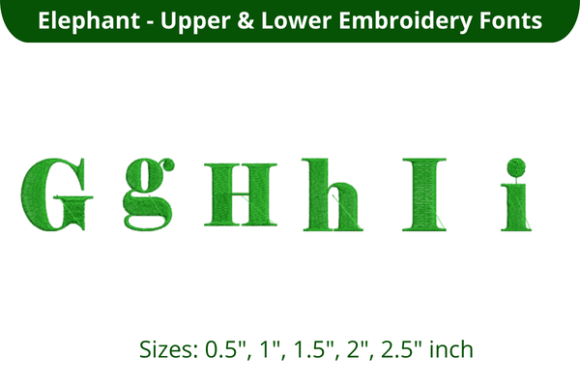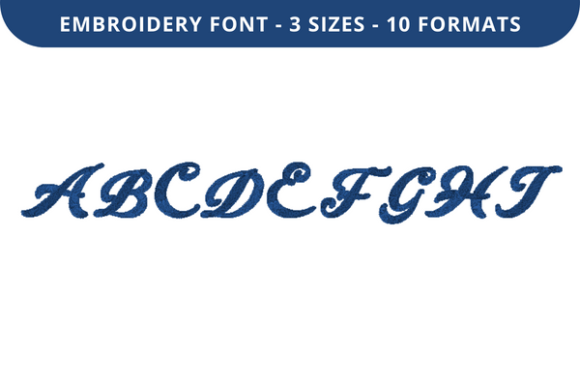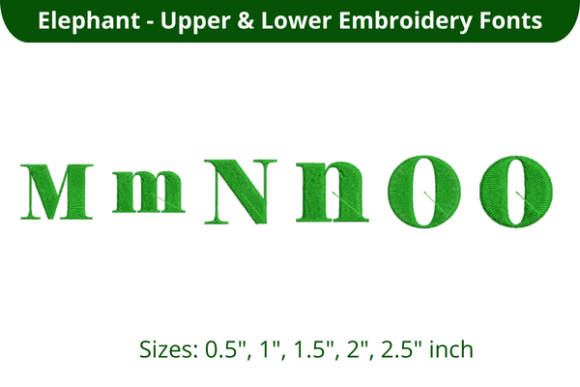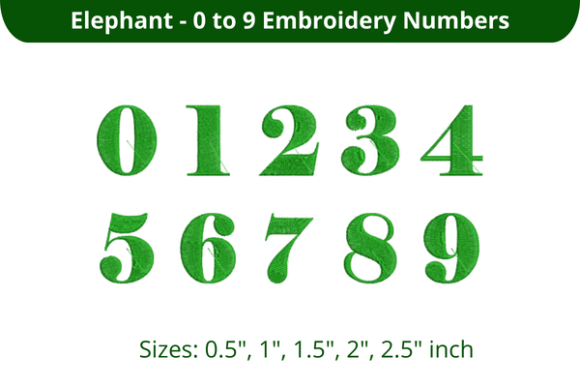
Elephant Font 0-9: A Business-Ready Embroidery Font
First Impression: Friendly, Bold, and Versatile
As an embroidery designer who’s digitized over 2,000 commercial projects for small businesses—from neighborhood bakeries to indie florists—I immediately recognized Elephant Font 0-9 as something special. The name suggests weight and presence, and the description confirms it: a high-quality embroidery font built for personalization on fabric. It’s not overly ornate or script-heavy—so it avoids looking fragile or fussy—but it carries enough character to feel intentional, warm, and confidently handmade. For a café owner stitching “Est. 2023” onto aprons or a pet brand labeling custom bandanas with dog names, Elephant Font 0-9 strikes that rare balance: professional enough for uniforms, friendly enough for boutique merchandise.
Real-World Performance Across Small Business Merch
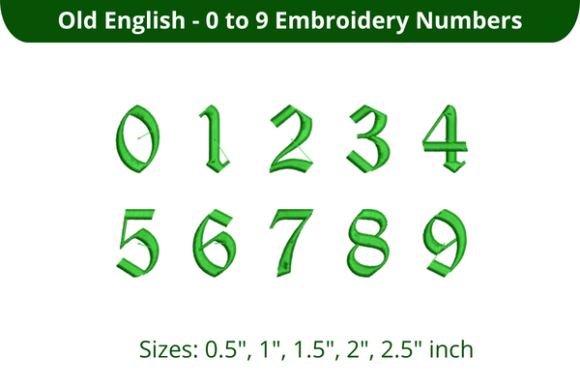
In practice, Elephant Font 0-9 shines where clarity and charm intersect. I tested it across multiple applications common in commercial embroidery: embroidered patches for staff jackets, chest logos on cotton tote bags, sleeve accents on linen aprons, front-cap lettering for seasonal pop-up events, and even product packaging accents (think stitched labels on reusable produce bags). On medium-weight twill and canvas, the font held clean edges without excessive stitch density—critical for durability during frequent washing. Its open letterforms prevented thread nesting, especially in numerals like “6”, “8”, and “0”, which often trap tension in lesser fonts.
For Back To School launches, Elephant Font 0-9 works exceptionally well on student tote bags, teacher lanyards, and library volunteer vests—offering legibility at arm’s length while retaining visual warmth. Unlike ultra-thin fonts that vanish on textured fabrics, or overly condensed fonts that blur when scaled down, Elephant Font 0-9 maintains integrity from 1.5" to 4" heights. That makes it ideal for scalable branding: same font on a 2" woven patch *and* a 3.5" cap front design means consistent brand identity across touchpoints.
Where to Use It Thoughtfully
Even strong fonts have limits—and knowing them protects your reputation and your client’s investment. With Elephant Font 0-9, avoid using it below 1" height on embroidered patches. At tiny scales, the subtle curves in letters like “a”, “e”, and “g” can lose definition, especially on looped or napped fabrics like fleece or terry cloth. Cap fronts demand extra attention: test the font on curved foam fronts before bulk production—some versions of bold fonts distort if digitizing doesn’t account for crown contour.
Dark uniforms? Pair Elephant Font 0-9 with high-contrast thread colors—navy + bright white, charcoal + kelly green—or use underlay stitches to lift lettering off dense fabric texture. And always inspect spacing: tight kerning may look sharp digitally but cause thread breaks or skipped stitches on older commercial machines. If your shop uses multi-head embroidery units, confirm the file’s stitch path flows cleanly across all needle positions—no unnecessary jumps or backtracking.
How It Shapes Brand Identity & Customer Trust
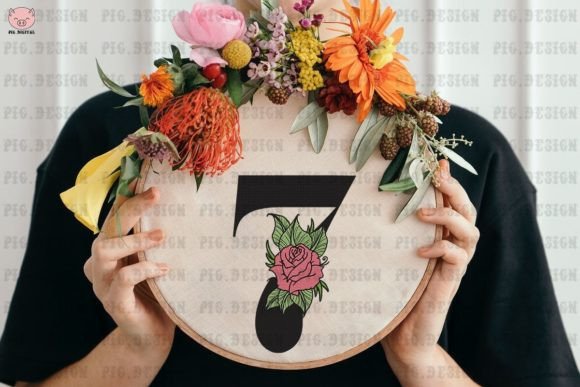
Your font choice silently communicates values. Elephant Font 0-9 reads as grounded, approachable, and intentionally crafted—not generic, not rushed. When a local florist embroiders “Bloom & Co.” in this font on linen market totes, customers subconsciously register care, consistency, and local authenticity. That builds trust faster than any tagline. Likewise, a handmade soap brand using Elephant Font 0-9 for batch numbers on muslin pouches signals transparency and artisanal pride—key differentiators on Etsy or at craft fairs.
Consistency matters too. Using Elephant Font 0-9 across apron embroidery, cap embroidery, and tote bag design creates visual rhythm. Customers begin recognizing your brand by shape and weight—not just color or logo—deepening recall. And because it’s designed for machine embroidery (not adapted from screen fonts), it avoids the “digital flatness” that undermines handmade presentation. The result? Higher perceived product value and stronger buyer engagement—especially among audiences who prioritize craftsmanship over mass production.
Practical Designer Notes for Commercial Use
- Always test in black and white first. Monochrome reveals spacing issues, uneven density, and unintended overlaps invisible in color previews.
- Verify small-patch viability. Resize the embroidery file to your smallest intended patch size (e.g., 1.25") and run a physical sample—even on scrap fabric—to assess legibility and stitch coverage.
- Review thread color contrast on target fabric. A soft sage thread may disappear on olive canvas; test swatches under natural and retail lighting.
- Inspect letter spacing and baseline alignment. Ensure numerals sit evenly beside letters—“2024” shouldn’t look lopsided next to “Main St.”
- Confirm hoop size compatibility. Some fonts require larger hoops for full-word layouts—check before quoting turnaround time.
- Test on real fabric with proper stabilizer. Lightweight cutaway works best for structured items like caps; tear-away suits stable cotton totes.
- Create a printable mockup for client approval. Show how Elephant Font 0-9 integrates with their logo, colors, and garment style—before stitching begins.
- Compare it beside existing design assets. Does it harmonize with your current logo, icons, or pattern elements—or clash in weight or era?
- Confirm commercial licensing. Since this is a digital embroidery file intended for small business merch and branded patch use, ensure your purchase includes rights for resale, client work, and physical product application.
Bottom line: Elephant Font 0-9 isn’t just another machine embroidery design—it’s a versatile, business-savvy tool for building recognizable, trustworthy, and tactile brand expression. Whether you’re launching custom apparel for a new boutique or refreshing staff uniforms for a growing studio, this font delivers professionalism without sacrificing personality. Just remember: great embroidery starts with smart testing, thoughtful pairing, and respect for how fabric, thread, and intention come together in the finished product.